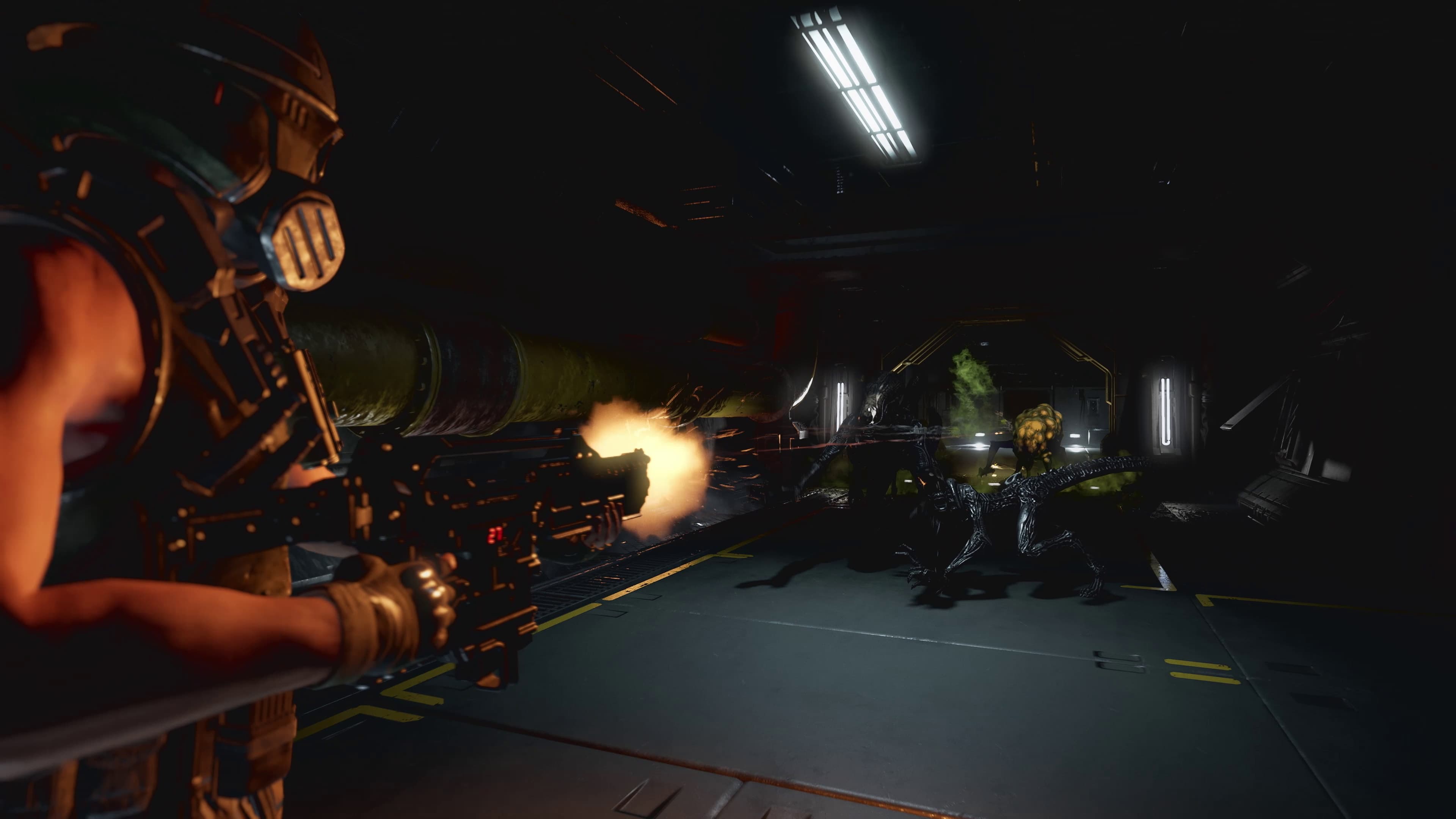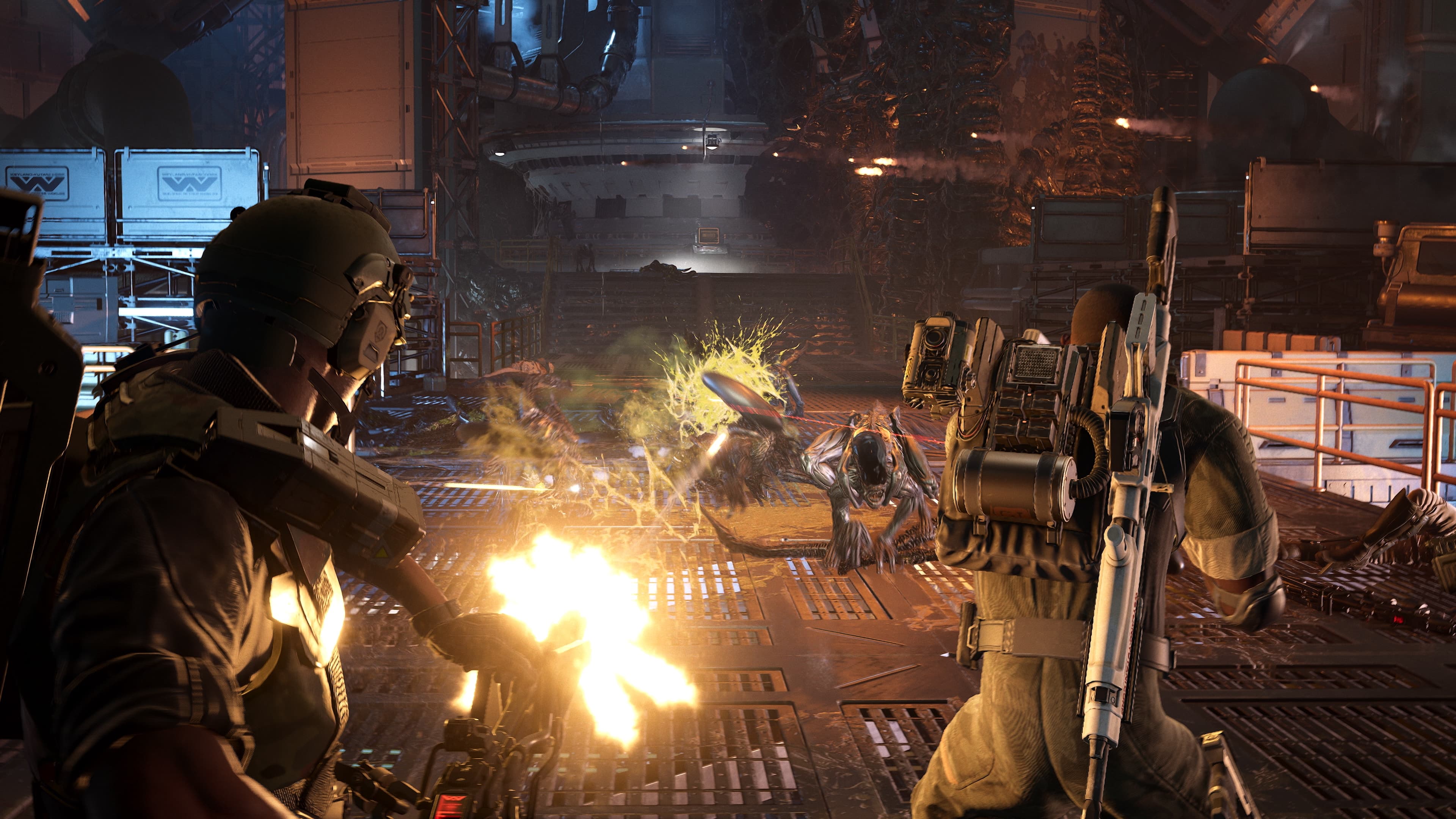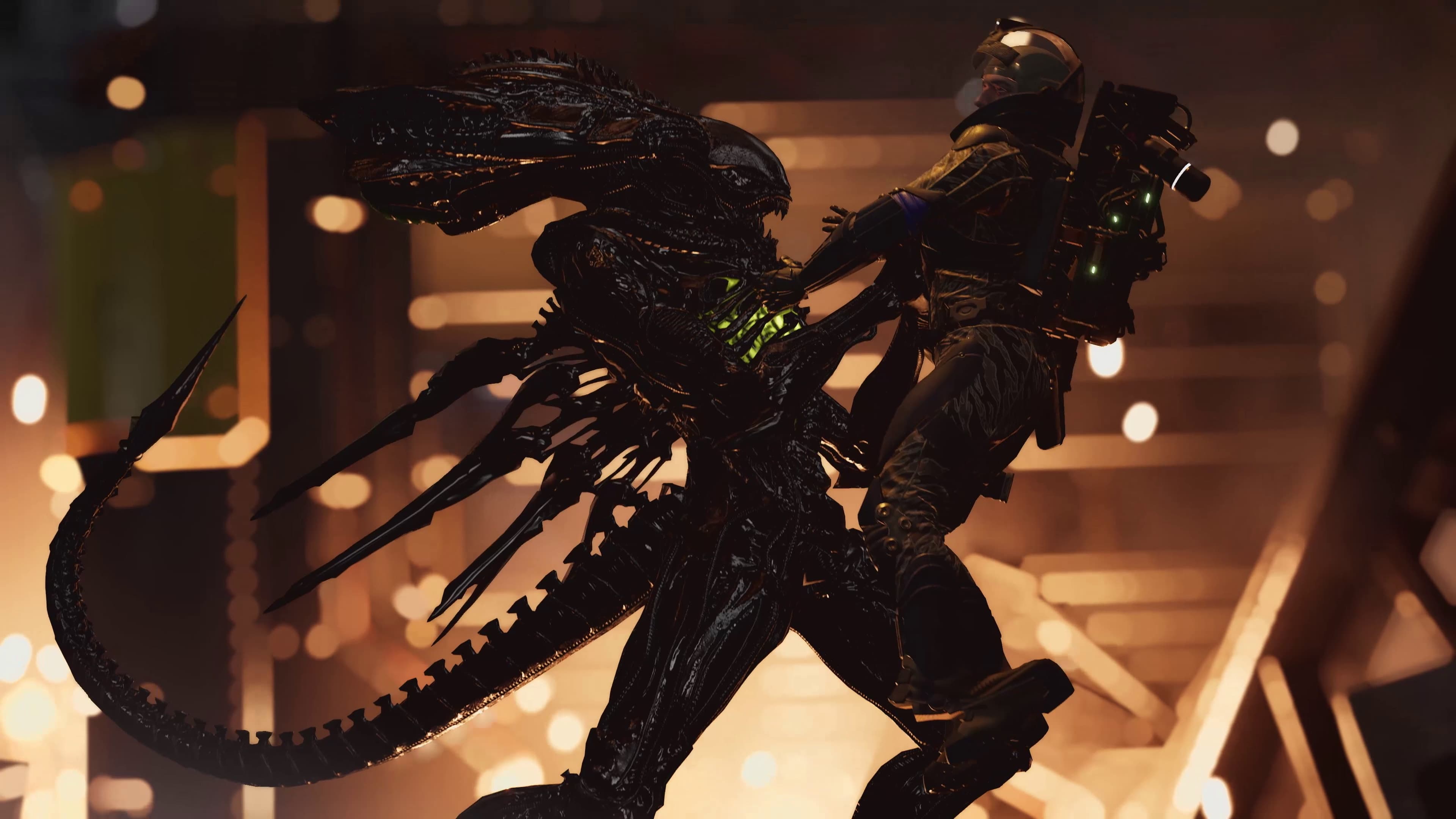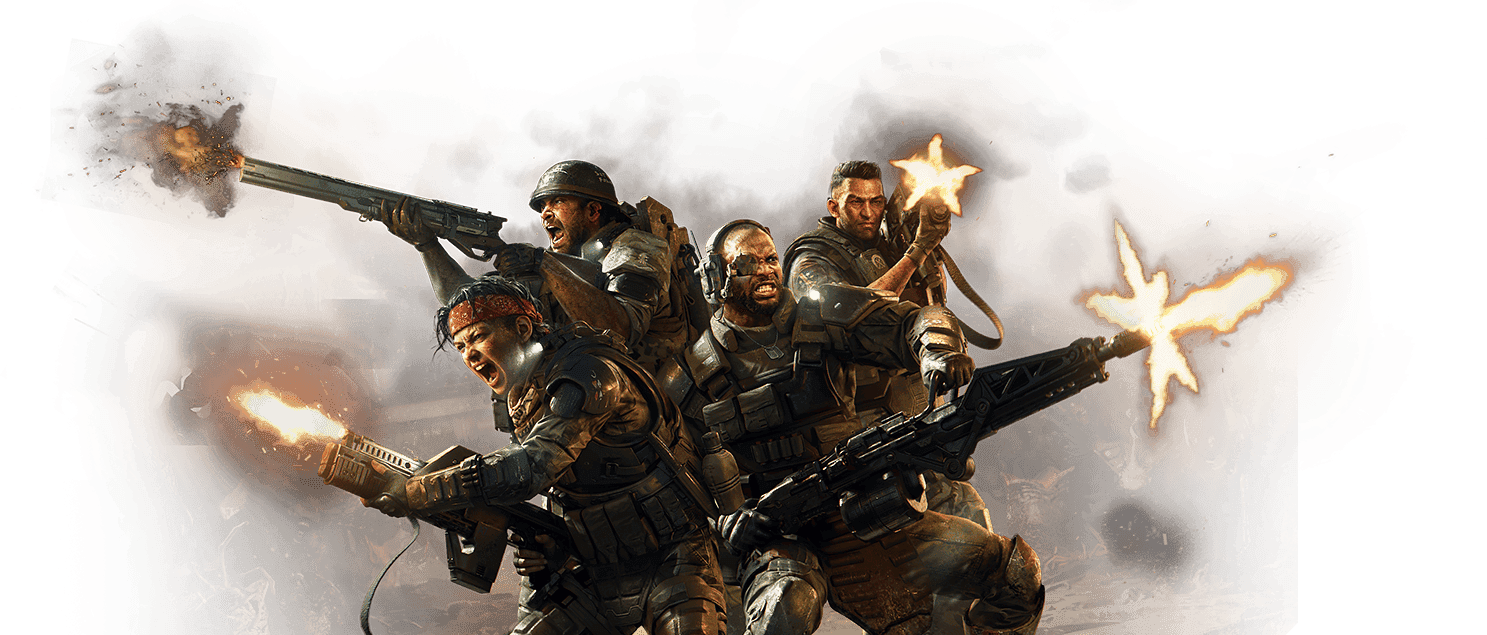
The five starting classes
The five starting classes are Duelist, Marauder, Machinist, Hunter and Medic. The official site confirms five unique starting choices, while T-Pose Games supplies the class names and describes their practical squad roles.
Duelist is the flexible damage option, Marauder focuses on heavy weapons, Machinist emphasizes area control, Hunter applies weak-point pressure and Medic covers support. These descriptions are role summaries, not a permanent ranking from strongest to weakest.
Cold Iron’s official class showcases give concrete examples: Medic can choose Adrenaline Surge or Overclock and Buffing or Poison Station; Hunter uses slowing tools such as Cryo Pulse and Stasis Bolt; Machinist fields configurable turrets and Bodyguard drones.
How to choose the right starting role
Choose based on what the squad lacks. A team that already has flexible damage may gain more from control or support than a second Duelist, while a group struggling to finish priority targets can consider Hunter's weak-point emphasis.
T-Pose Games explicitly recommends selecting for squad role rather than following a universal tier list. Mission difficulty, teammate kits and weapon progression can all change which contribution is most useful at a given moment.
What makes Specialist different
Specialist is an unlockable endgame class rather than one of the five starting choices. The official site calls it customizable, and T-Pose Games reports that it can combine abilities, perks and weapons unlocked through the other classes.
That cross-class structure means Specialist is better understood as a later build platform than a sixth fixed beginner archetype. Progressing the starting classes expands the pool Specialist can draw from, so early class time still contributes to later flexibility.
Connect the class to a functioning loadout
A normal loadout uses primary, signature and sidearm slots, while Duelist is the exception with two primary weapons. On the perk grid, a perk that modifies an ability must physically touch that ability to work, so an attractive set of icons can still be inactive if arranged incorrectly.
Weapon Traits and Augments unlock through weapon progression, and attachments alter statistics. On higher difficulties, factor friendly fire into class and weapon selection—especially when heavy weapons, explosives or broad area control could block a teammate's firing lane.
Confirmed class tools, not a launch-week tier list
Specialist can use unlocked abilities and perks from other classes. The official example pairs a Shredder Bodyguard with Particle Beam, while showing Focus Fire and Doctor’s Orders plus the L56A3 Smartgun and M41A2 Pulse Rifle.
Medic’s Bedside Manner doubles revive speed in the showcase; Machinist’s Cross-Platform Synergy grants nearby allies 10% damage resistance, and Scalable Machine Learning can stack reload speed and stability five times after machine or item-turret kills.
- Medic: sustain and team buffs
- Hunter: slow and expose priority targets
- Machinist: deployables and lane control
- Specialist: combine unlocked class tools